Across the past week, agencies and companies moved to keep existing orbital hardware useful for longer while fielding newer tools that will eventually replace it. Blue Origin restored a Florida launch tower, SpaceX test-fired a Starship booster ahead of a planned catch attempt, Europe ordered more navigation satellites, U.S. intelligence warned of Chinese directed-energy weapons, astronauts added power to the International Space Station, NSF–DOE Vera C. Rubin Observatory flagged a dwarf-planet candidate, and NASA asked industry how to keep Hubble flying.
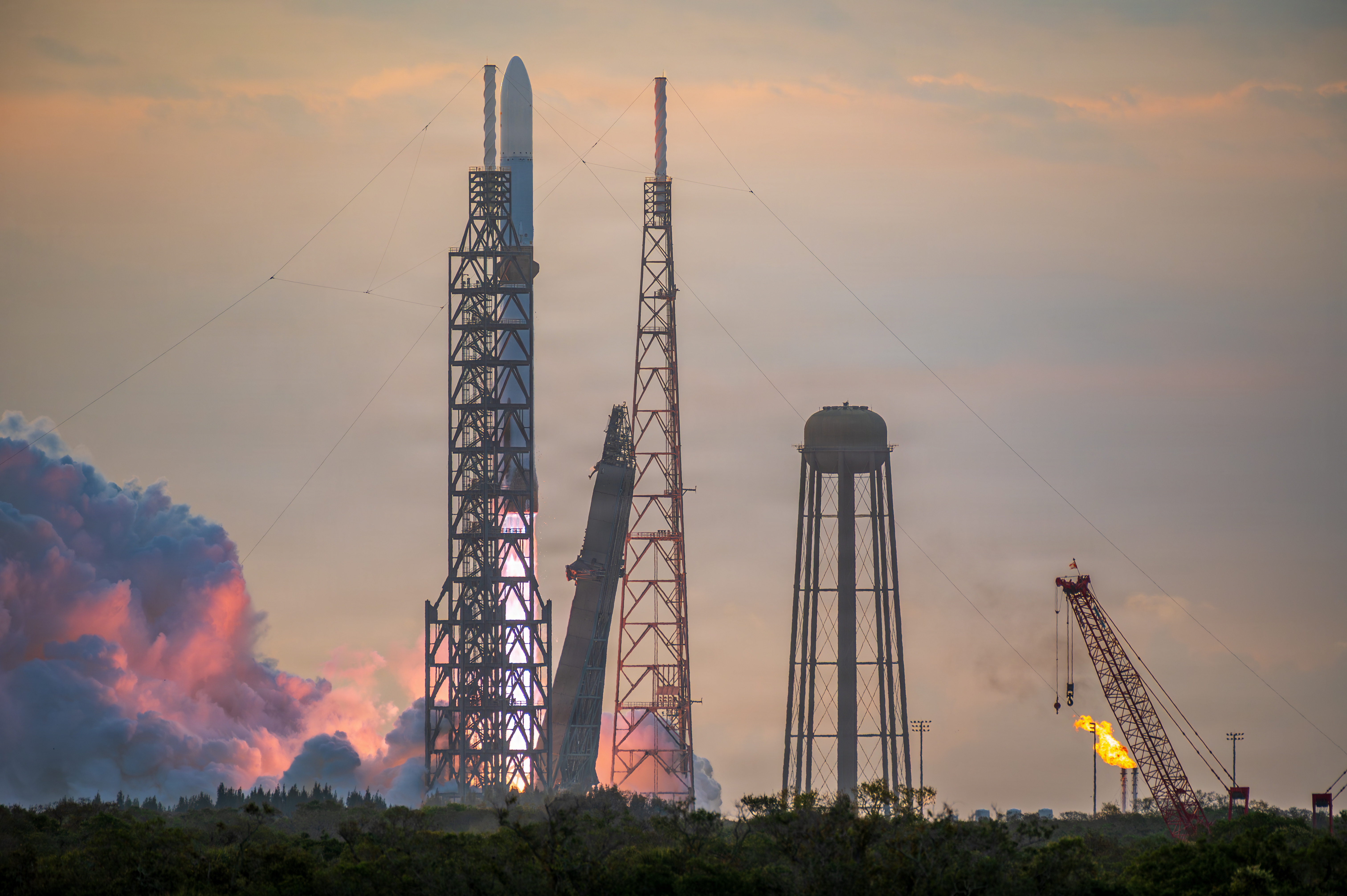
Blue Origin CEO Dave Limp said on Oct. 24 that the Vehicle Access Tower at Launch Complex 36 in Florida "is fully assembled, with every module repaired and back in place." In that post he said Module 9 was done, called the restack a monumental effort, and wrote that the tower was standing tall again at LC-36. The Orlando Sentinel has described the structure as the pad's main launch tower, which remained viable after an explosion that also wrecked a lightning mast. A transporter-erector is the machine that normally rolls a rocket to the pad and tips it upright; the paper reported that Blue Origin shifted instead to a crane-based lift that removes the need for one. According to the Sentinel, the damaged tower's modules were removed and later refitted to support that crane operation. Limp said the module refit keeps the company on track to try launching again before year-end, according to the Sentinel.
The next day, SpaceX posted on X that it had completed a "full duration 33-engine static fire" of the Super Heavy preparing for Flight 15. In a static fire, a rocket stage runs its engines while it stays bolted to the ground, so teams can check performance without leaving the pad. Starlust, describing the company's video, reported that the Super Heavy fired all 33 of its Raptor engines while anchored at Starbase, Texas. Super Heavy is the booster for SpaceX's Starship rocket, according to Starlust. The outlet also said the flight will be Starship's 15th integrated test overall and its fourth of 2026.