
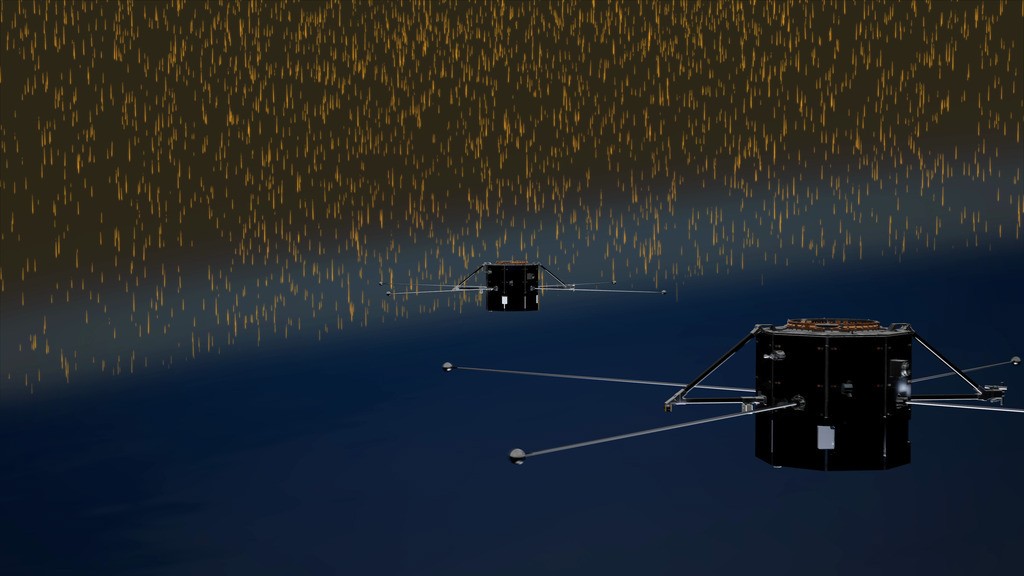
NASA's twin TRACERS satellites have delivered their first peer-reviewed look at how magnetic reconnection behaves at Earth, according to an Oct. 29 NASA Science blog describing a new Journal of Geophysical Research paper. Data from the Analyzers for Cusp Ions show reconnection is largely a spatial process, meaning where it is occurring is moving rather than changing in time, NASA said.
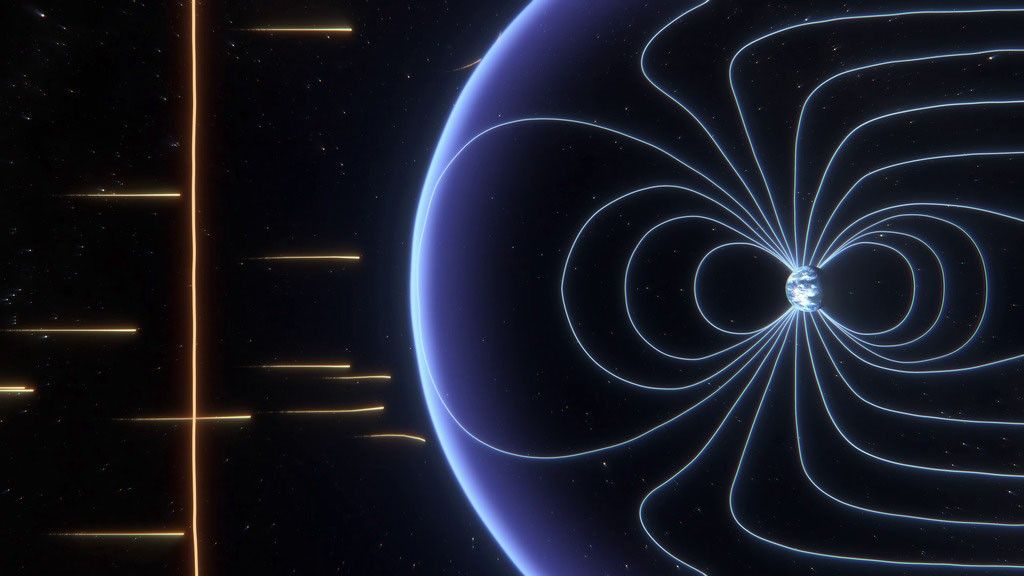
TRACERS, short for Tandem Reconnection and Cusp Electrodynamics Reconnaissance Satellites, is a pair of spacecraft launched in 2025 that fly one behind the other in a Sun-synchronous orbit through the polar cusps, funnel-shaped regions over the magnetic poles where solar wind particles are channeled into the upper atmosphere, according to NASA. Comparing the two satellites' readings shows how quickly reconnection changes, the agency said.
Researchers analyzed initial observations from the first year of the mission, NASA reported. While scientists are familiar with reconnection, questions remain on how energy is transferred and how the magnetopause reacts, the agency wrote.