
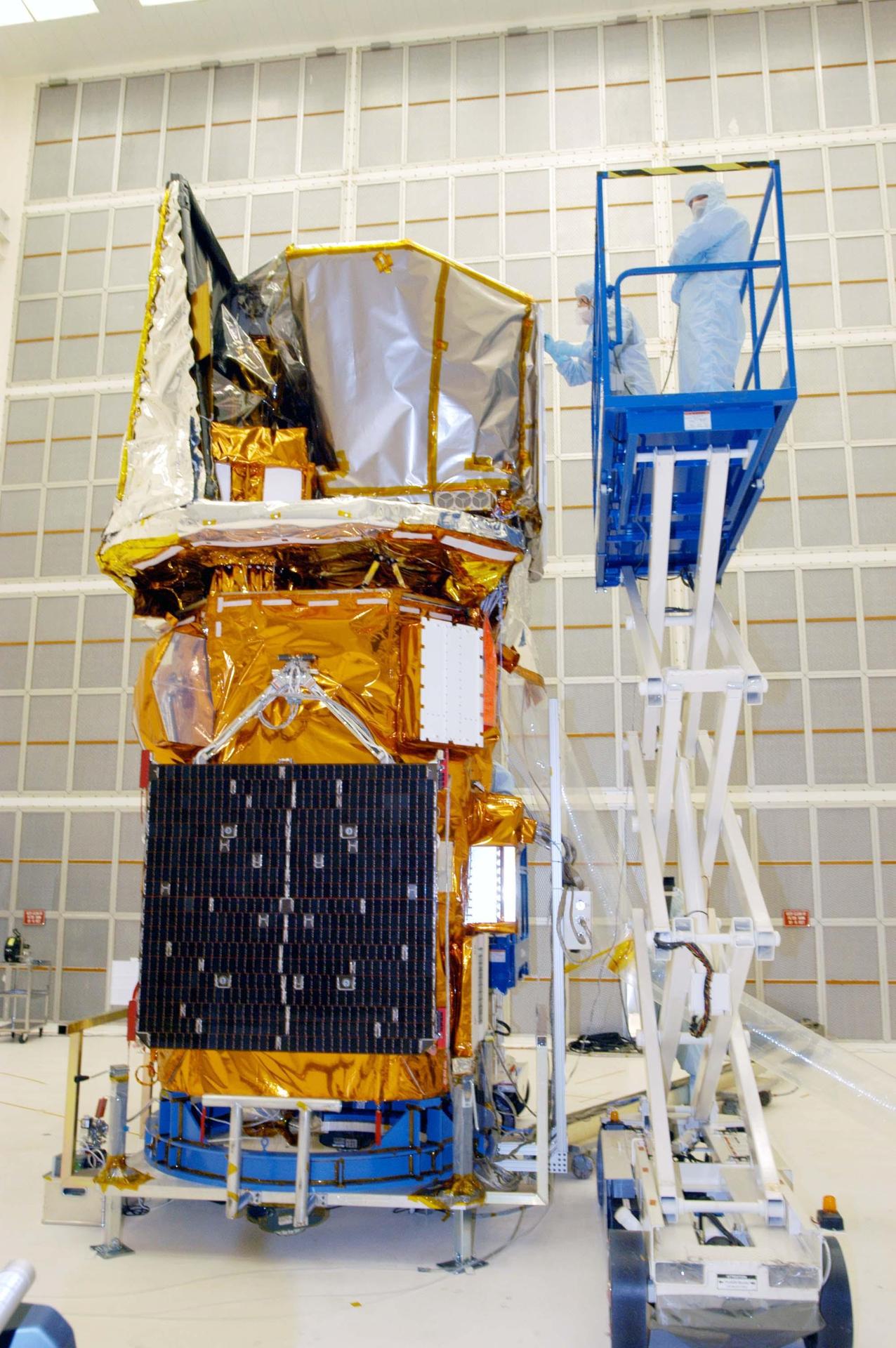
NASA's Neil Gehrels Swift Observatory reentered Earth's atmosphere on Wednesday, Nov. 4, almost 22 years after launch, the agency said. According to NASA, the U.S. Space Force confirmed the reentry at 7:39 a.m. EST over the North Sumatra region of Indonesia, at approximately 3.4 degrees north latitude and 98.6 degrees east longitude. NASA expected most of the spacecraft to burn up during its descent, though it noted some components may have survived.
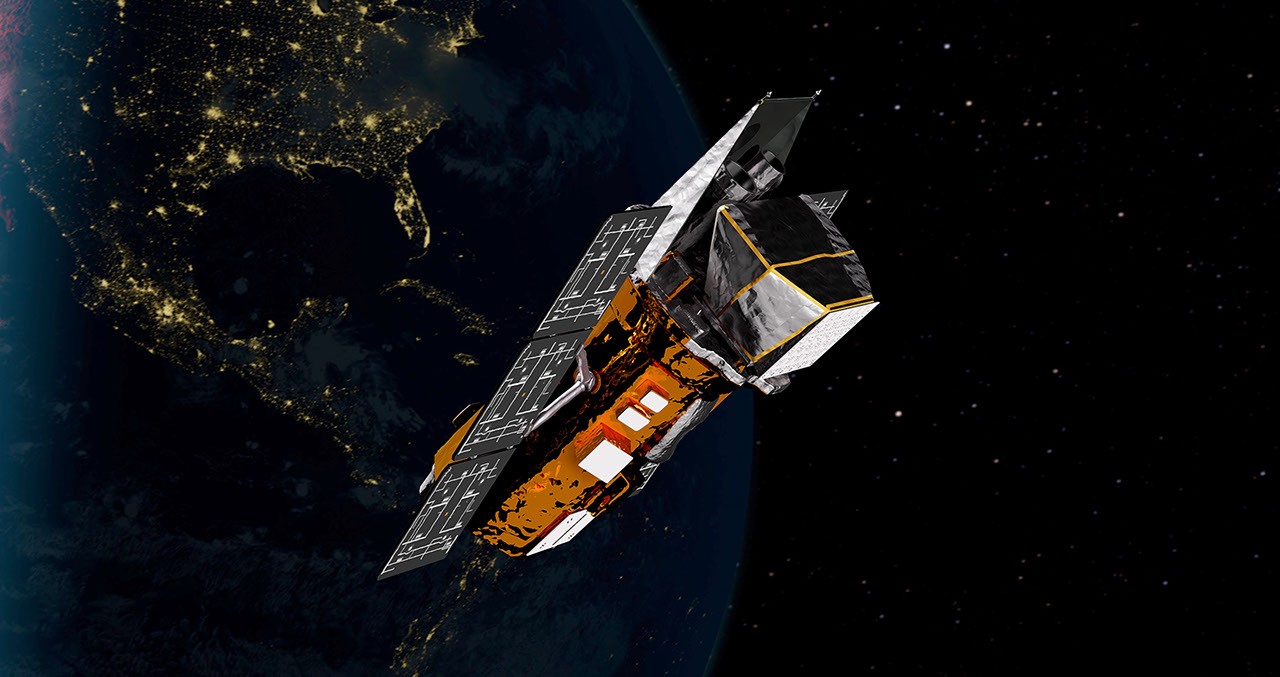
Swift was originally designed for a two-year prime mission, NASA said. Over its long scientific life, it observed more than 2,000 gamma-ray bursts and 1,400 supernovas, Space.com reported. Before the fall, NASA officials put the odds of surviving pieces hurting anyone on Earth at 1 in 2,100, the outlet added.
NASA describes Swift at launch as a first-of-its-kind multiwavelength observatory, meaning it observed many kinds of light, built to study the most powerful explosions in the cosmos using three telescopes. The agency says the spacecraft broadened understanding of objects ranging from active galaxies powered by supermassive black holes to comets and asteroids in our own solar system.