
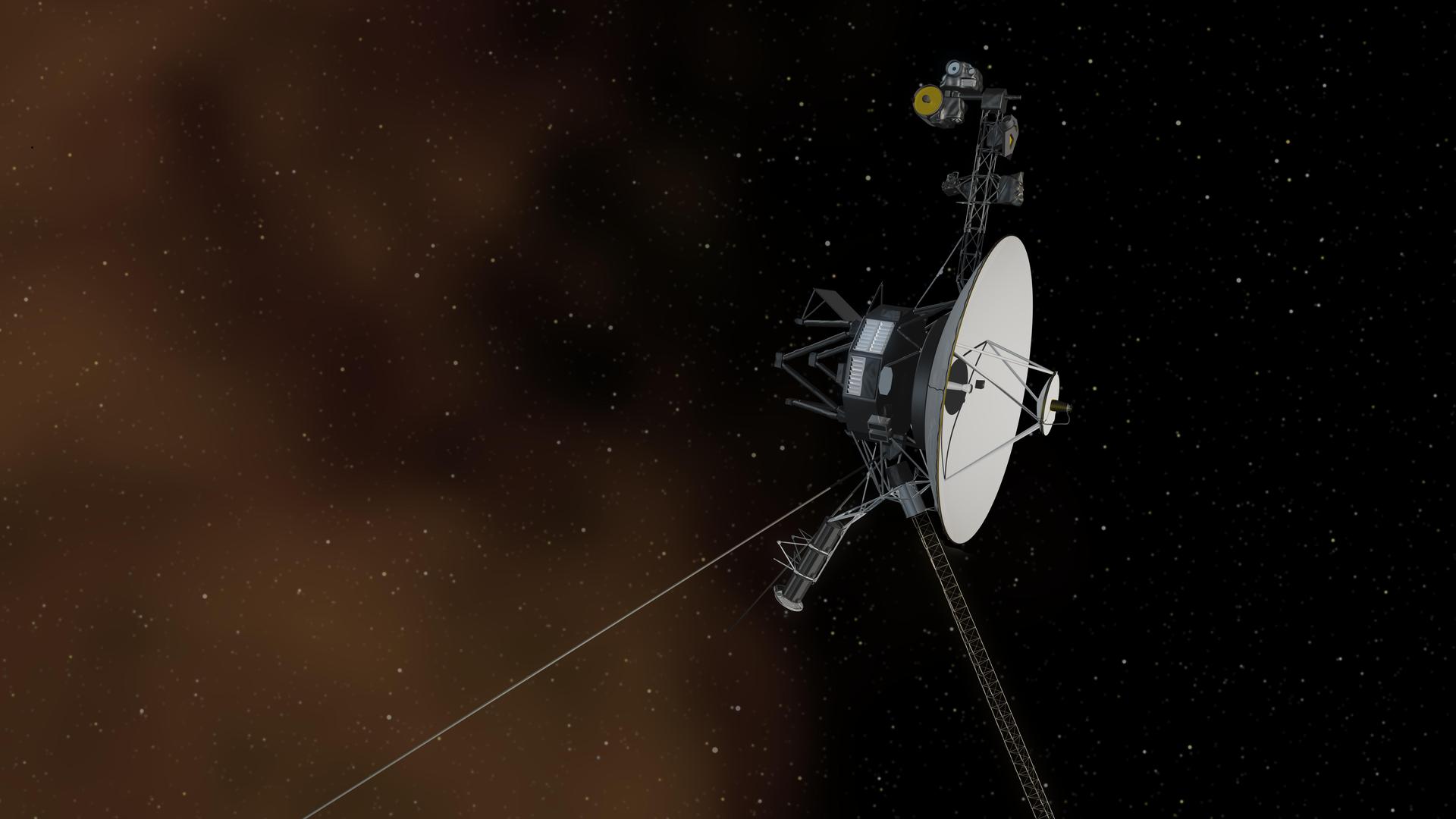
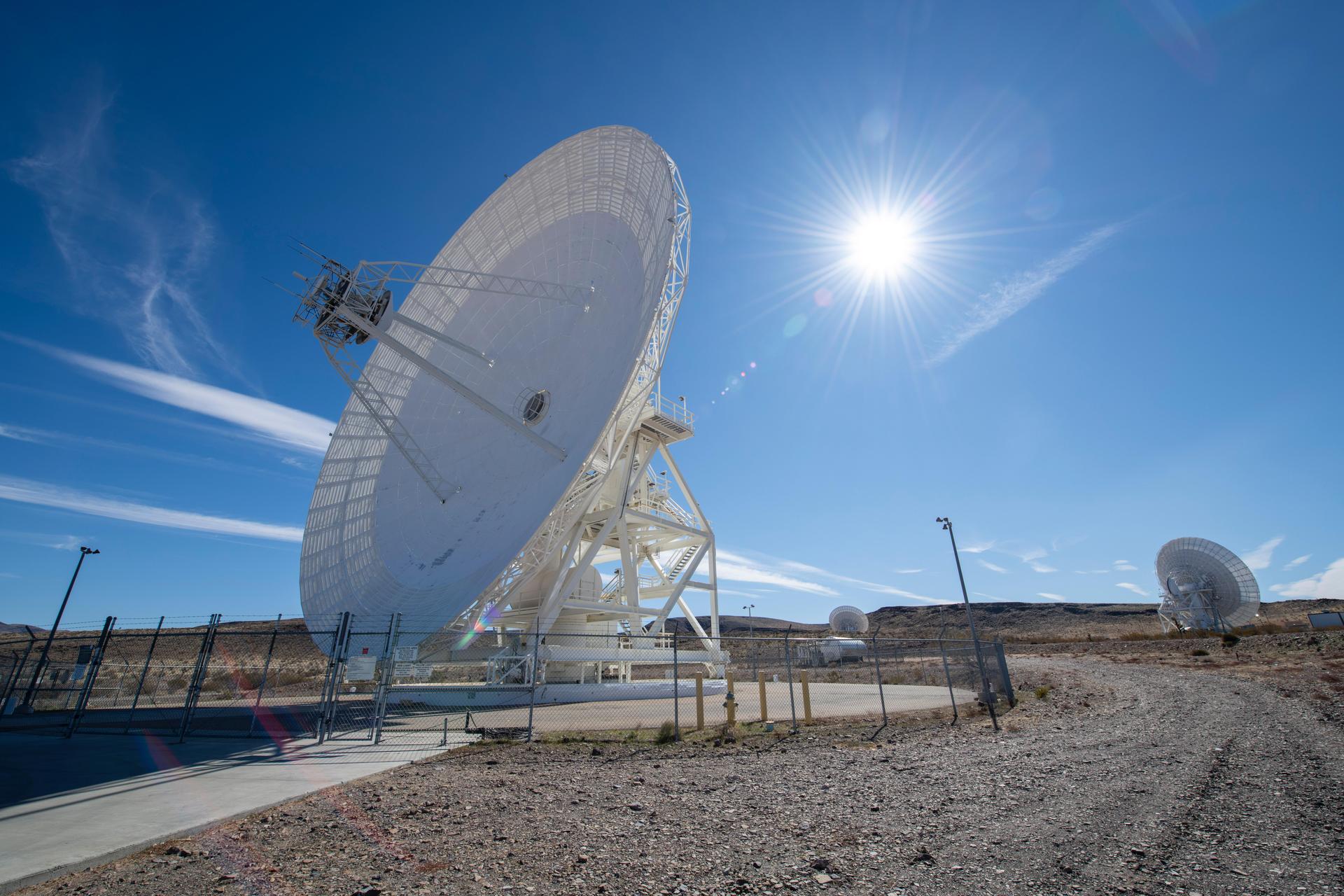
NASA reported Oct. 29 that Voyager 1 finished a power-conserving hardware swap in early September and regained radio contact Oct. 20 after Deep Space Network antennas could not hear the probe on Oct. 18 and Oct. 19. Agency officials said the unexpected pause ended after 48 hours, before engineers sent troubleshooting commands.
In early September, engineers turned off three devices aboard Voyager 1 and substituted lower-power alternatives, NASA said. Mission managers nicknamed that maneuver the "Big Bang," finishing it about six weeks after Voyager 2 underwent an identical change. NASA said the six devices help keep the spacecraft warm enough to operate in the frigid expanse of space, and only by swapping all three could the team both cut power use and ensure heat is properly distributed.
Both Voyagers run on radioisotope thermoelectric generators, which convert heat from decaying plutonium into electricity, and each loses about 4 watts a year, according to NASA. Dwindling supply has already forced two science instruments offline in recent years, the agency said.